Your vehicle is more than just a mode of transport; it's an expression of who you are and a proud investment. For many car enthusiasts, paint protection film (PPF) has become a crucial addition, ensuring that your car's paintwork retains its luster and value, no matter the challenges of the road.
Your vehicle is more than just a mode of transport; it's an expression of who you are and a proud investment. For many car enthusiasts, paint protection film (PPF) has become a crucial addition, ensuring that your car's paintwork retains its luster and value, no matter the challenges of the road. However, a common misconception is that PPF is maintenance-free. In reality, proper care is key to unlocking its full protective potential.
This article serves as your holistic guide to keeping your PPF in pristine condition, ensuring a long-lasting shield against the elements. We'll walk you through the dos and don'ts of PPF care, shed light on maintenance best practices, and even share when it might be time to consider a brand-new layer of protection.
Essential PPF Care Tips to Maximize Durability
Protecting your vehicle with PPF is an exercise in foresight and prevention. To make the most of this investment, here are some foundational care tips you should follow from day one:
- Regular Inspections:Make inspecting your PPF part of your maintenance routine. Look out for any tears, scratches, or areas where the film seems to be peeling off. Swift action on these issues can prevent damage to the underlying paintwork.
- Parking in the Shade:UV exposure can deteriorate PPF over time, so try to park your vehicle in a garage or shaded area whenever possible. If garage parking is not an option, consider investing in a car cover for added protection.
- Wax On, Wax Off:Contrary to popular belief, PPF can and should be waxed. Use a non-abrasive automotive wax on the film to help maintain a glossy finish and repel water and dirt.
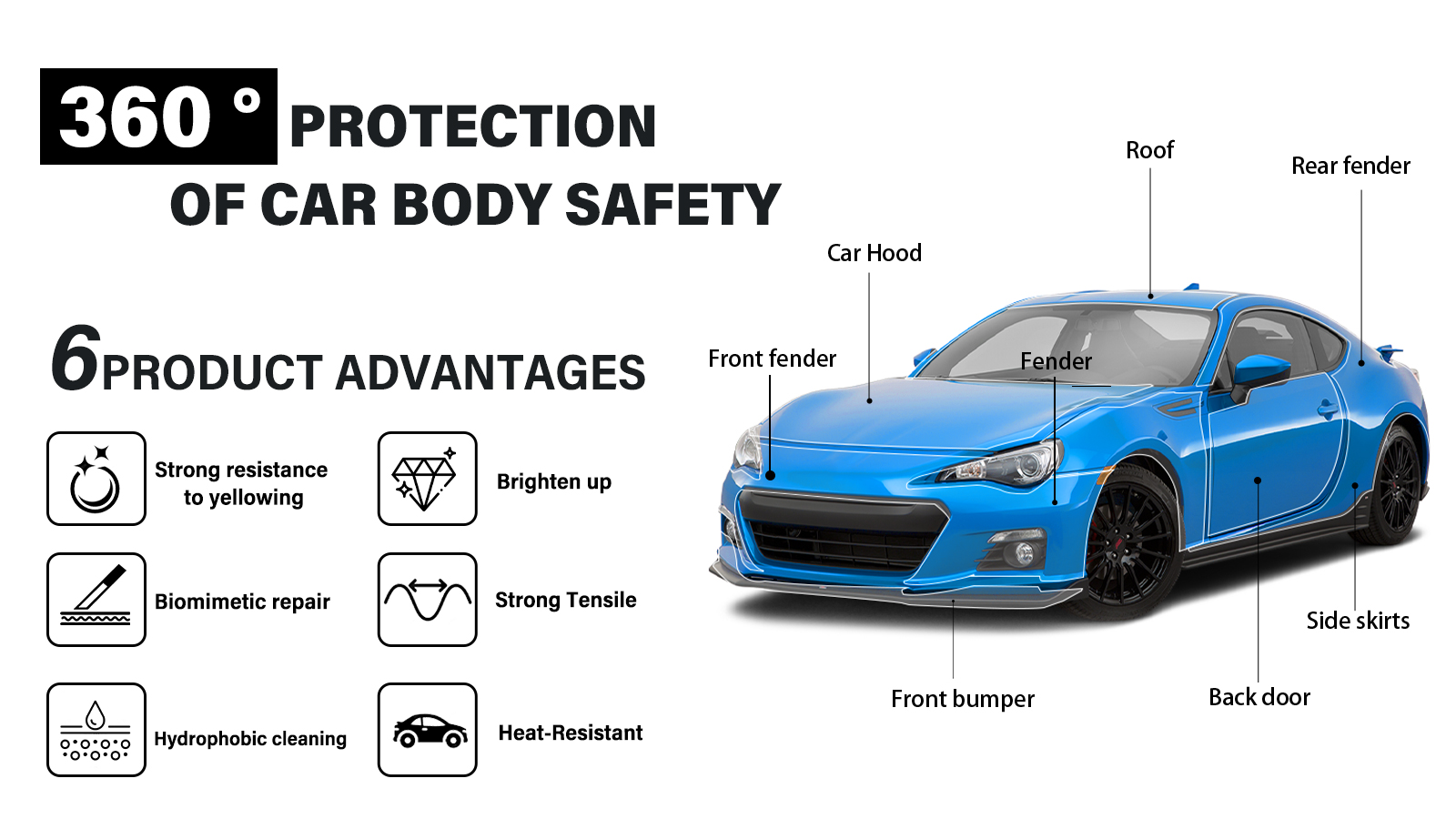
Cleaning Your PPF: Best Practices for Maintaining Clarity and Shine
Regularly cleaning your PPF is a surefire way to maintain visibility and ensure it can perform its role effectively. Here's how to do it right:
- Gentle Hand Washing:When possible, hand wash your vehicle. Use a soft microfiber cloth and a mild automotive detergent. Do not use waxes that contain abrasive compounds or cleaners with high alkaline or acidic content, as they can damage the film.
- Mind the Towels:Always use high-quality, clean towels to dry the PPF. A grit caught in a towel can scratch the film during the drying process.
- High-Pressure Nozzles:Be cautious around edges and corners. A high-pressure water jet directed at these spots can lift the film.
The Dos and Don’ts of PPF Maintenance
Understanding what practices to avoid and what to adhere to can prevent premature PPF degradation. Here’s a quick rundown:
Dos:
- Use approved products:Always check the label to ensure the product you're using is PPF-safe. Stick to pH neutral soaps and high-quality carnauba waxes for best results.
- Be Diligent with Dirt:Dirt is a PPF’s worst enemy. Wipe off bird droppings, bug splatter, and other contaminants as soon as possible to prevent stains and film degradation.
- Heat is Not Your Friend:Be cautious during warmer months, as PPF adhesive can become softer in extreme heat. Avoid pressure washing or scrubbing until the film has cooled down.
Don’ts:
- Avoid automatic car washes:The brushes and chemicals used in these can degrade the film. If you must, choose touchless car washes.
- No to abrasive materials:This includes stiff brushes, scouring pads, and harsh chemicals that can scratch or dull the PPF.
- Say no to machines:Machine polishing without the right products and techniques can damage your PPF. Always seek a professional’s expertise if you're considering machine polishing.
When to Replace Your PPF: Signs to Look Out For
PPF is a durable product, but like all good things, it isn’t permanent. Keep an eye out for these signs that it’s time for a change:
- Yellowing or Fading:If your PPF no longer looks clear or glossy, it might be reaching the end of its lifespan.
- Cracking or Peeling:These are signs of advanced wear and tear. They compromise the protective quality of the film and should be dealt with promptly.
- Ineffectiveness Against Stains:A common sign of deterioration is the film’s inability to repel stains or contaminants, signaling a loss in the film’s integrity.
Protecting Your PPF Investment: Maintenance Products That Work
Investing in quality maintenance products can significantly enhance the life of your PPF. Here are some products that come highly recommended:
- PPF-Specific Cleaners:Opt for cleaners explicitly designed for PPF to retain its integrity and shine.
- Microfiber Cloths:The softer the cloth, the better. Use high-quality microfiber cloths to ensure you don’t scratch the film during cleaning.
- UV Sunscreen:Like human skin, PPF can benefit from some UV protection. Applying a PPF-specific sunscreen can provide an extra layer of shield against UV rays.
In conclusion, maintaining your PPF requires a combination of regular care, appropriate products, and vigilance. By adopting the recommendations in this article, your PPF can not only retain its aesthetic appeal but also offer the robust protection it was designed for. Remember, a little effort now can save you significant expense down the road. After all, your car’s worth the investment – and so is the PPF that guards it.
